High expansion costs, multiple piles prone to tripping
Simultaneous charging of multiple piles can easily cause overload tripping. Main line expansion is costly and time-consuming, affecting operations and expansion.
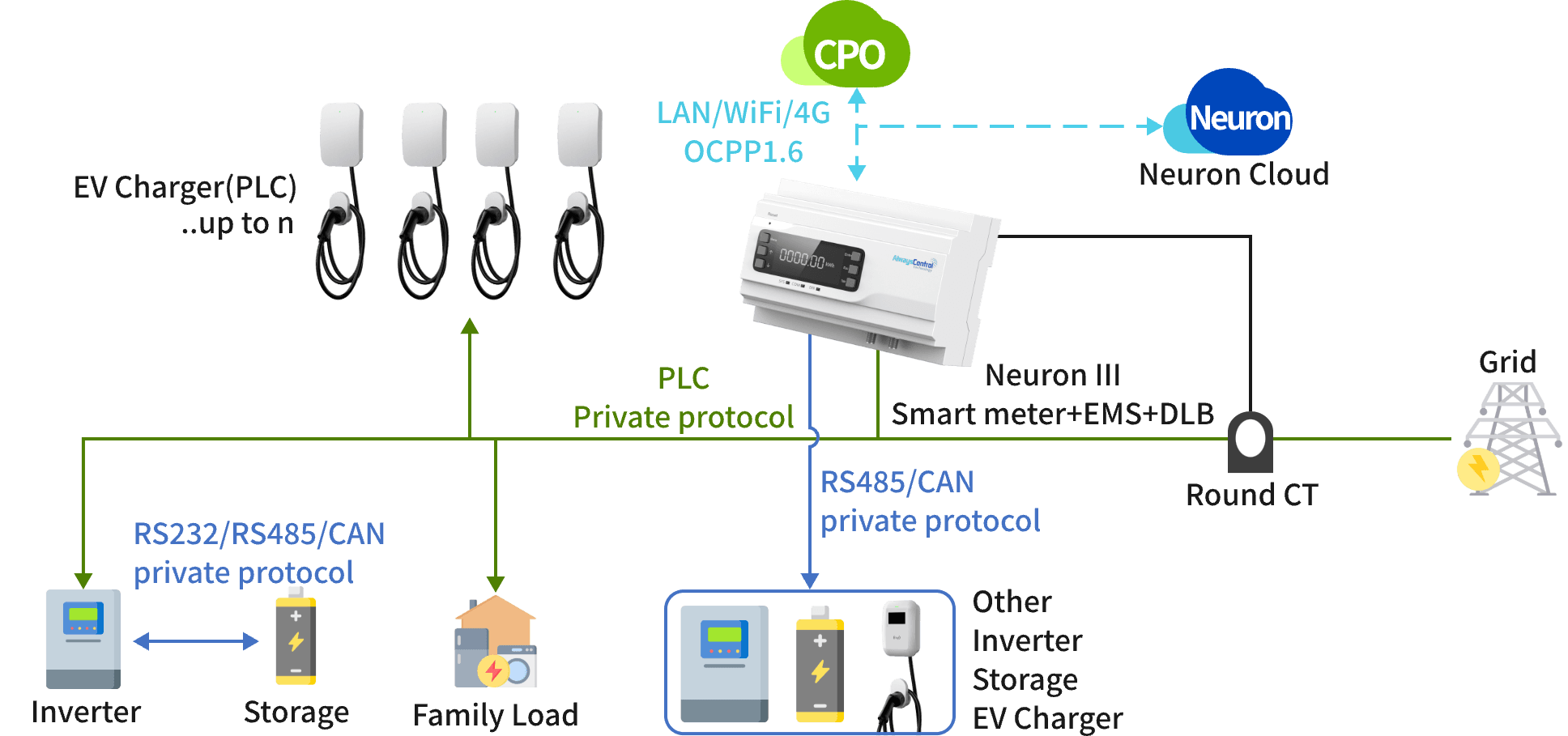
Multi-Pile Load Balancing・No Expansion, No Tripping
The EVCMS Charging Station Management System monitors the main line's total load in real-time via the Neuron III gateway. By dynamically allocating available power to each charging pile through the cloud platform, it enables multi-pile coordinated charging without the need for main line expansion, completely eliminating overload tripping. It supports various charging modes such as average, queuing, and VIP priority, catering to the operational needs of different stations, thereby creating an efficient, stable, and manageable smart charging station.
Charging stations commonly face core pain points such as frequent tripping during multi-pile charging, high expansion costs, and the lack of unified protocols across multiple charging pile brands, making centralized management difficult. These issues severely constrain operational efficiency and the scalability of station operations.
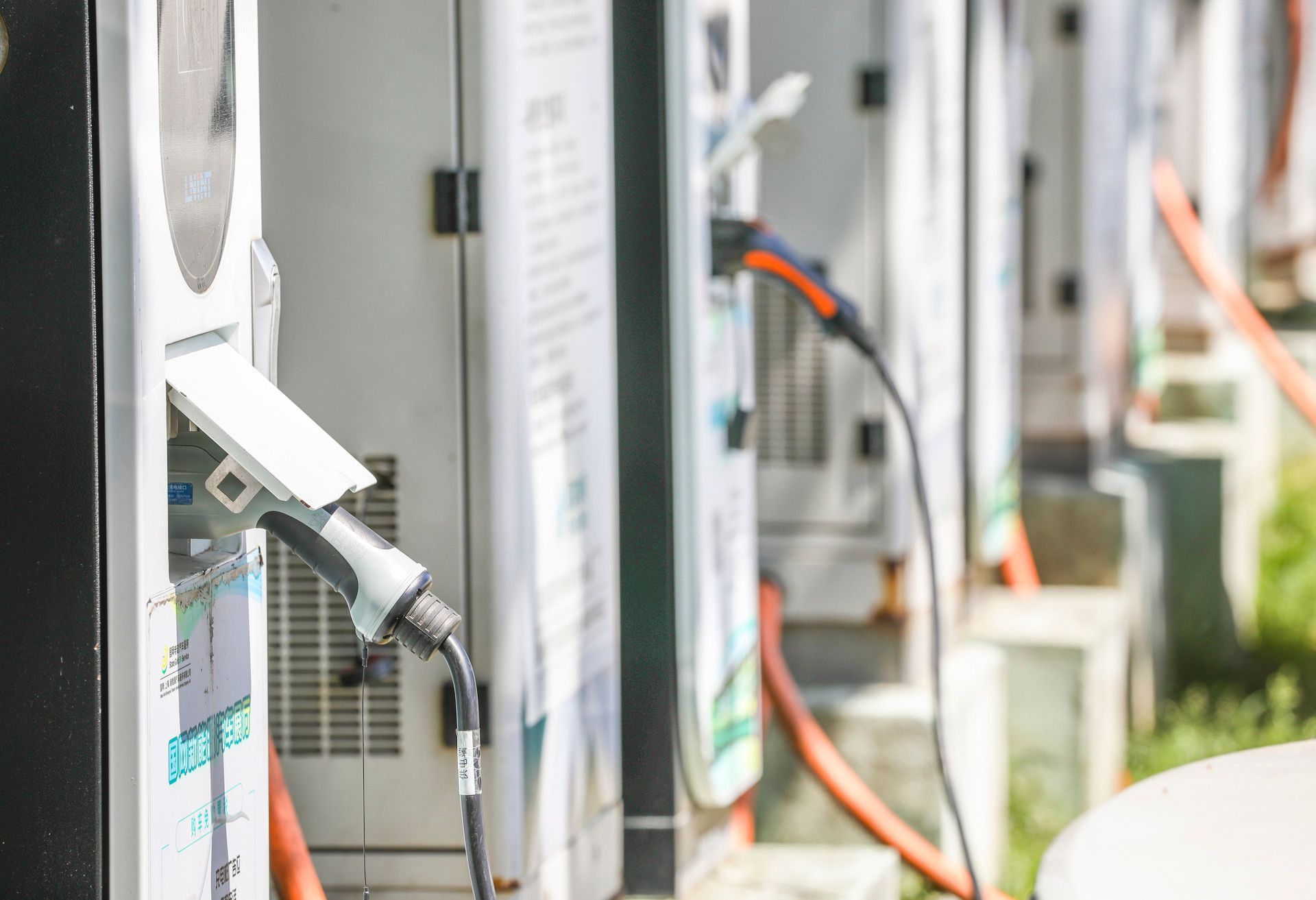
Simultaneous charging of multiple piles can easily cause overload tripping. Main line expansion is costly and time-consuming, affecting operations and expansion.
Device protocols are not interoperable, making unified management impossible. Operation and maintenance are scattered, leading to high labor costs.
Lack of flexible scheduling strategies, unable to meet the differentiated needs of different stations, affecting revenue and user experience.

Xi'an

Malaysia
Contact us for a custom solution and pricing

